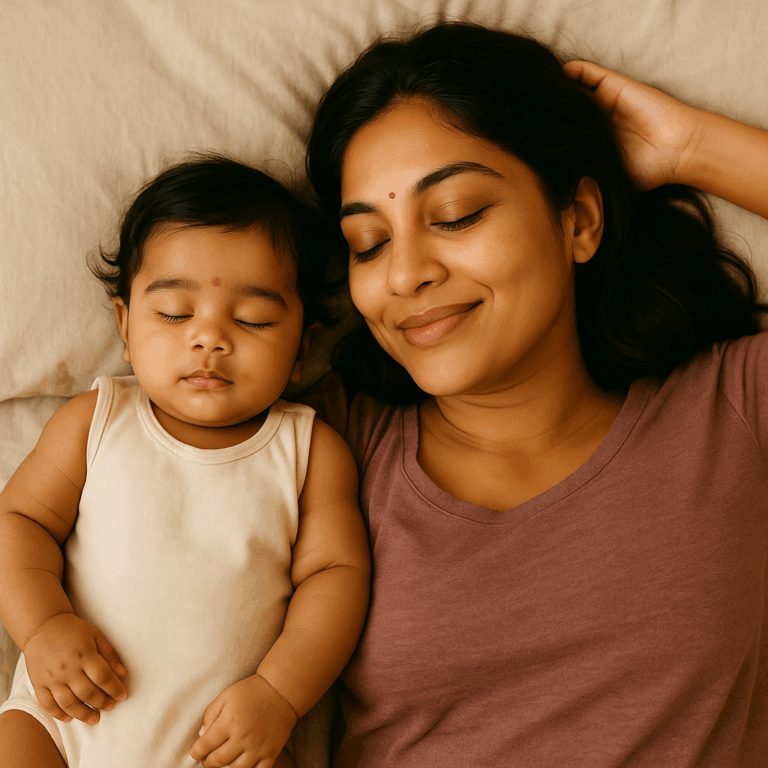
Summary: A Glimpse Into the Life of a Single Mother
Single mother parenting is a journey marked by strength, resilience, and unconditional love. Whether it happens by choice or due to unexpected life changes, single mothers take on the responsibility of raising children while fulfilling multiple roles. From caregiver and provider to emotional anchor and decision-maker, they nurture strong, independent children often while navigating societal expectations and personal challenges. This guide explores the reality of single parenting, the reasons it arises, the roles single mothers play, the obstacles they face, and how they continue to thrive and redefine motherhood today.
What is Single Parenting?
Single parenting refers to the process of raising a child or children without the consistent involvement of a partner in caregiving responsibilities. In most cases, it means that one parent—often the mother—takes on the full responsibility for the child’s physical, emotional, and financial well-being. This includes everything from making important life decisions and providing daily care to offering emotional guidance and maintaining the household. For single mothers, the journey is both demanding and empowering. It requires immense adaptability, emotional strength, time management, and the ability to wear many hats—all while fostering a loving and stable environment for their children to grow.
Common Reasons for Single Parenting
Divorce or Separation
Many women become single parents following a divorce or separation. While emotionally challenging, this transition can also lead to personal growth, self-discovery, and emotional resilience.
- The mother often steps into the role of sole caregiver, managing both emotional and practical responsibilities.
- Co-parenting challenges or legal custody arrangements may arise, requiring communication and compromise.
- It offers a chance to build a stronger, more independent bond with the child.
- Emotional support from family, friends, or therapy plays a key role in adjusting to this change.
Death of a Partner
The sudden or expected loss of a spouse creates a significant emotional and logistical shift in parenting.
- Single mothers often carry the dual burden of grieving and nurturing their child’s emotional health.
- Financial pressure may increase, especially if the deceased partner was the primary breadwinner.
- Children may need counseling or support to process the loss and adjust to a new family structure.
- Many women find strength in honoring their partner’s memory through nurturing their child.
Personal Choice
Some women consciously choose single motherhood through methods such as adoption, surrogacy, or IVF.
- This decision reflects strong self-agency, independence, and a proactive desire to become a mother.
- These women often prepare financially and emotionally well in advance.
- While deeply rewarding, it can also feel isolating at times without a co-parent to share the experience.
- They may face societal judgment but often build strong support systems through friends, family, or online communities.
Unplanned Circumstances
Unplanned pregnancies or unexpected events like abandonment, incarceration, or a partner’s unwillingness to participate can lead to single motherhood.
- These situations often require quick emotional adaptation and long-term planning.
- Many mothers rise to the occasion with immense courage, despite lack of preparation or partner support.
- Emotional and financial strain can be high, but community support and government programs can offer assistance.
- Over time, many women find strength, purpose, and fulfillment in raising their child independently.
Single Mother Parent: Redefining Modern Motherhood
The Role of a Single Mother
Single mothers often carry multiple responsibilities that would otherwise be shared in a two-parent household.
- Primary caregiver and provider: She manages the child’s daily routine, care, and household responsibilities while earning to support the family.
- Emotional support system: She provides consistent emotional stability, love, and encouragement to help her child grow in a nurturing environment.
- Decision-maker for the child’s future: From schooling to health care and major life choices, she makes all key decisions in the child’s best interest.
Challenges Faced
While rewarding, single motherhood also comes with unique challenges that require strength and resilience.
- Financial pressure: Managing all expenses on a single income, from education to healthcare, can be overwhelming.
- Social stigma: Single mothers may face societal judgment or isolation, especially in more traditional communities.
- Balancing career and parenting: Juggling professional goals while being fully present for the child often leads to emotional and physical exhaustion.
Conclusion
Single motherhood is not a limitation—it’s a powerful, evolving expression of love, strength, and sacrifice. Though the journey can be overwhelming at times, many single mothers rise above the challenges to create nurturing, stable, and thriving environments for their children. From managing finances to making all parenting decisions alone, their resilience and dedication reflect a deep-rooted sense of purpose.
Despite facing societal judgments or emotional isolation, single moms continue to break stereotypes and prove that a family built on love, commitment, and care is more than enough. With the right support systems, community resources, and a focus on self-care, they grow stronger every day—not just for their children, but for themselves too. In doing so, they redefine what modern motherhood truly means—one rooted in courage, compassion, and unwavering strength.
Frequently Answered Questions
Is single parenting emotionally hard?
Yes, it can be emotionally challenging due to loneliness, decision fatigue, and responsibility overload. However, strong support systems and self-care can make it more manageable.
Can single mothers raise successful children?
Absolutely. With love, structure, and guidance, children of single mothers can grow into well-rounded, successful individuals just like those in two-parent households.
Are there support groups for single mothers?
Yes, many communities and online platforms offer support groups where single moms can share advice, find emotional support, and connect with others facing similar challenges.
About the Author